 CONNECTICUT
Start with the business you can operate.
Describe your existing company, services, management experience, and area of interest. Explain whether you already manage home-improvement projects, maintain an installation crew, or have customer-service and estimating capacity. That context is more useful than starting with an assumed territory or revenue target.
A dealership discussion is separate from requesting a contractor installation or making a customer referral. Identify the program you want to evaluate and ask who is responsible for reviewing eligibility and availability. This Connecticut page is an enquiry route; it does not reserve a market, accept an application, or authorize use of the brand.
- Existing business structure, location, and relevant operating experience.
- Geographic area of interest and knowledge of the customer market.
- Management, estimating, field, and office capabilities already in place.
- Facilities, vehicles, storage, and product-handling arrangements.
- The approvals and written information needed before any commitment.
Evaluate the complete operating workload.
Installation is only one part of a customer project. An operating plan also needs enquiry handling, assessments, estimating, product ordering, scheduling, document coordination, homeowner communication, closeout, and service. Identify who would own each step and how information passes between the office and field team.
Discuss the training that is required, how competence is assessed, and the support available after initial training. Ask which products and installation scopes the proposed arrangement covers. Do not infer authorization for commercial buildings, structural design, or a specialist trade from a general program description.
Plan how product instructions and current documentation will be kept available to the team. Customer handover should cover the actual window, screen, cover, grate, and access features supplied. Service enquiries need a clear route even when the original project manager or installer is unavailable.
| Operating area | Questions to resolve |
|---|---|
| Sales and assessment | Who qualifies enquiries, assesses the site, prepares scope and approves prices? |
| Training and quality | What training, field review and continuing support are part of the current arrangement? |
| Products and logistics | What stock, storage, ordering, delivery and handling obligations apply? |
| Installation management | Who manages crews, subcontractors, safety planning, documents and trade coordination? |
| Customer service | Who handles handover, warranty questions, product issues and complaints? |
| Reporting and systems | What CRM, reporting, brand-use and recordkeeping requirements apply? |
Request the current written commercial information.
Ask for a complete explanation of initial and ongoing costs, inventory expectations, training, marketing services, advertising spend, and any other required purchases. Distinguish a one-time cost from a recurring expense, and clarify which services are included in each charge.
Review the proposed term, territory provisions, performance requirements, renewal process, brand permissions, and the consequences of a change or termination. Where exclusivity or restrictions are proposed, understand their scope before making a commitment. Discuss the documents with the advisers you normally use for a business agreement.
This page does not publish historical fees or earnings projections as current Connecticut terms. Request the latest program information and the basis for any financial representation directly from the program team. A sample project or a marketing statement is not a forecast of your business results.
Prepare a practical readiness discussion.
Build an outline of the people, facilities, and systems you would use. Identify gaps without assuming they can all be filled after launch. Ask what must be in place before selling, ordering, or installing under the proposed arrangement.
Separate the time needed for commercial approval, training, product availability, local business requirements, and a realistic first-project schedule. The launch plan should reflect the current program and your actual readiness. No launch date is established by submitting an enquiry.
- Business leadership and day-to-day office ownership.
- Estimating and customer-assessment process.
- Installation resources and separate professional/trade support.
- Product storage, handling, transport and service arrangements.
- Insurance, registrations, licensing and other requirements applicable to your operations.
- Budget, recordkeeping and review by your business advisers.
Make the first enquiry specific.
Send your company name, existing service area, proposed market, relevant experience, and the type of operation you are considering. Describe your current staffing and facilities and the questions you need answered about the program. Avoid sending financial account details or other sensitive material in an initial email.
The team can then direct the discussion to the appropriate program contact. Request the current information package and ask what the next evaluation step involves. If you only need an installation partner for a current project, use the contractor or partnership guide instead so the enquiry reaches the right conversation.
Look at the project in context.
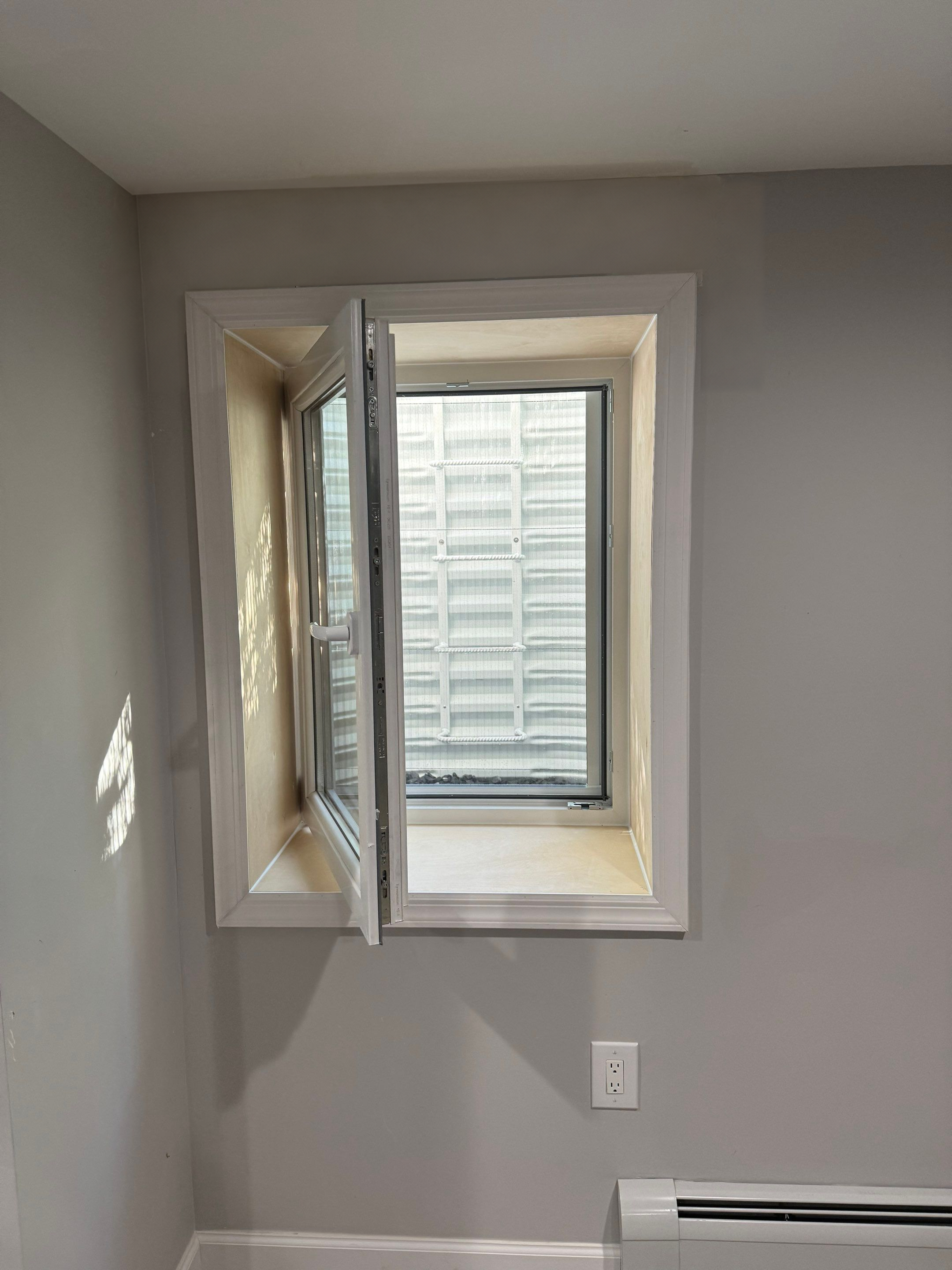
The Winchester installation illustrates why product operation, well access, and customer handover belong in an operating plan. A finished project photograph does not establish the staffing, economics, training, or time needed to reproduce that work.
Explore the Winchester project story ↗What to send with your enquiry.
- Company, primary contact, existing service area, and proposed market.
- Current services and relevant business/installation experience.
- Management, office, estimating, and crew resources.
- Facilities and logistics you already have and gaps to discuss.
- Questions about training, products, support, written costs, and territory.
- Your preferred timeframe for evaluating the opportunity—not a requested guaranteed launch date.
The brief is a blank planning checklist. Attach relevant photos or drawings in your email app after reviewing your message.
Questions from dealership opportunities.
Is a Connecticut territory available?
Availability is not established by this page. Identify the geographic area you are interested in and ask the program team about current availability and its review process.
What are the current fees or required inventory?
Request the complete current written program information. Do not rely on historical website pricing or assume that a headline fee describes all initial, recurring, inventory, training, or advertising costs.
Does an enquiry enroll my company?
No. This is a route to a program discussion. Any approval, agreement, training, brand authorization, or territory arrangement must follow the applicable current process.
Are income or launch-time results guaranteed?
No forecast or guaranteed launch period is provided here. Evaluate the information supplied by the program team against your resources, market, obligations, and business advice.